

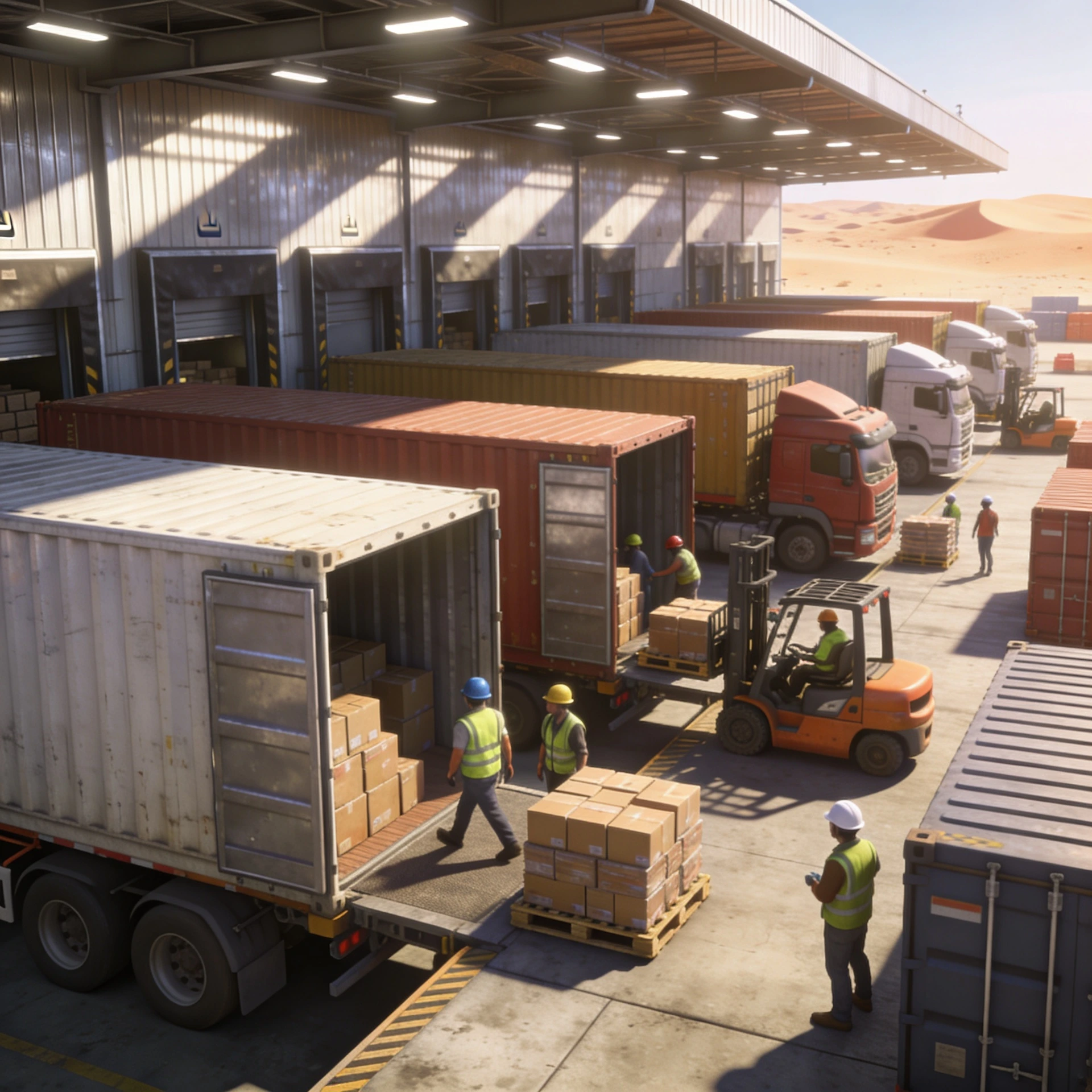
Third-party logistics (3PL) means hiring a specialized company to handle your supply chain tasks. In practice, you outsource functions like warehousing, transportation, and order fulfillment to the 3PL provider. The 3PL manages goods storage, packing, shipping, and even returns, using its own facilities and networks. This lets your business focus on products or marketing while experts run logistics.
3PL providers act as an extension of your business, bridging between you and carriers. They integrate into your operations, using tools like warehouse management systems and transport software. In essence, a 3PL logistics company takes your goods and moves them through the supply chain from receiving and storing to final delivery under one contract. By doing this, 3PLs streamline complex shipping tasks and improve efficiency.
How Does 3PL Logistics Work?
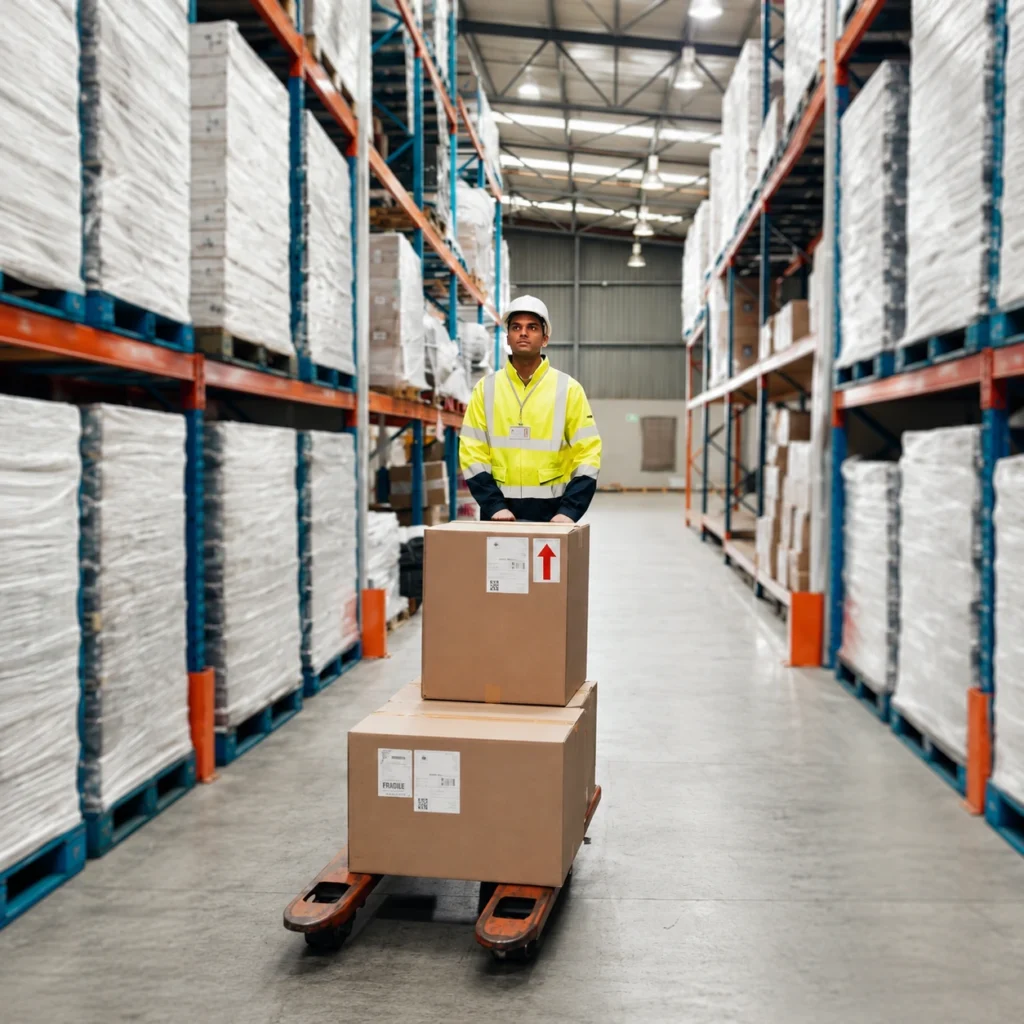
A 3PL company steps into your supply chain to handle day-to-day operations. First, you send your products to the 3PL’s warehouse. The provider receives and stores the goods securely, managing inventory in real time. When orders come in, the 3PL picks, packs, and ships items on your behalf. Throughout this process, the 3PL may handle import/export paperwork and carrier bookings.
Key steps in a typical 3PL workflow include:
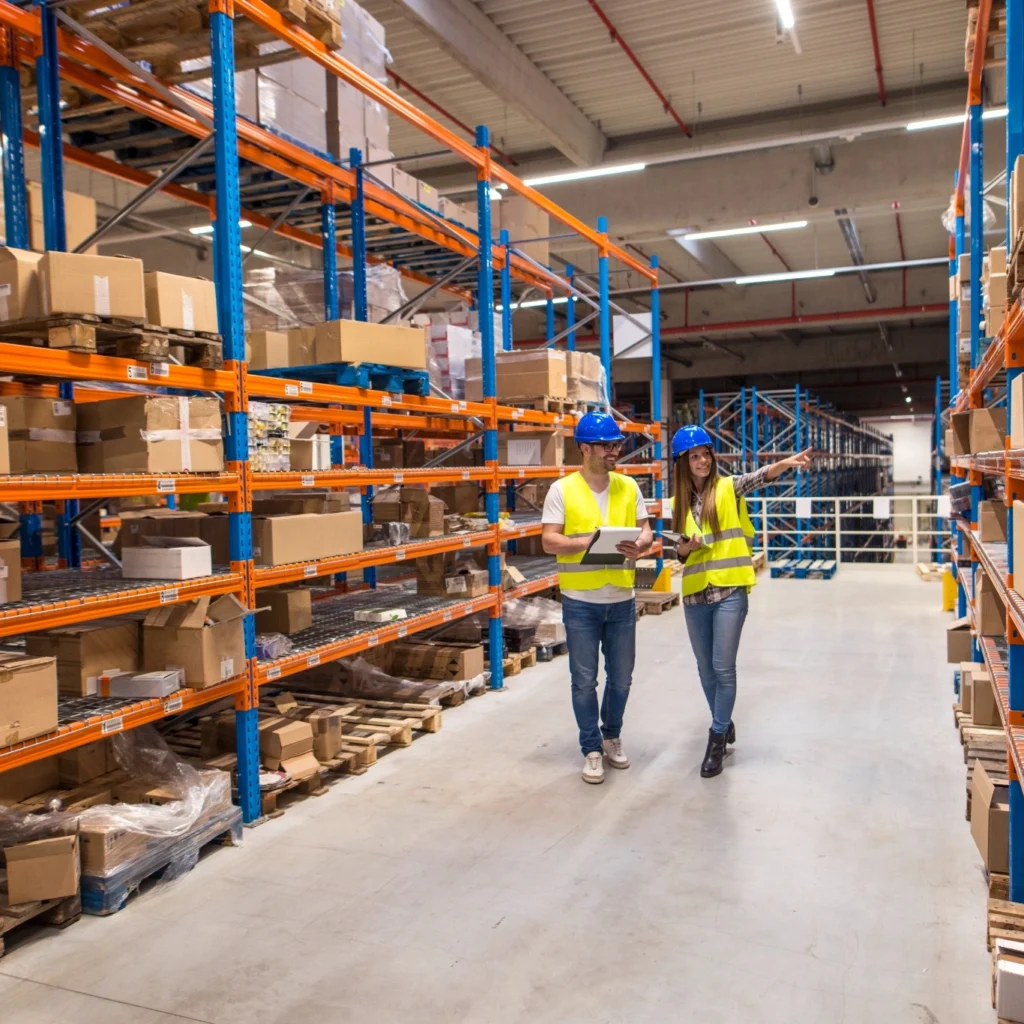
- Receiving & Warehousing: The 3PL checks incoming shipments and stores them in organized racks or bins. This ensures goods are safe and easy to find.
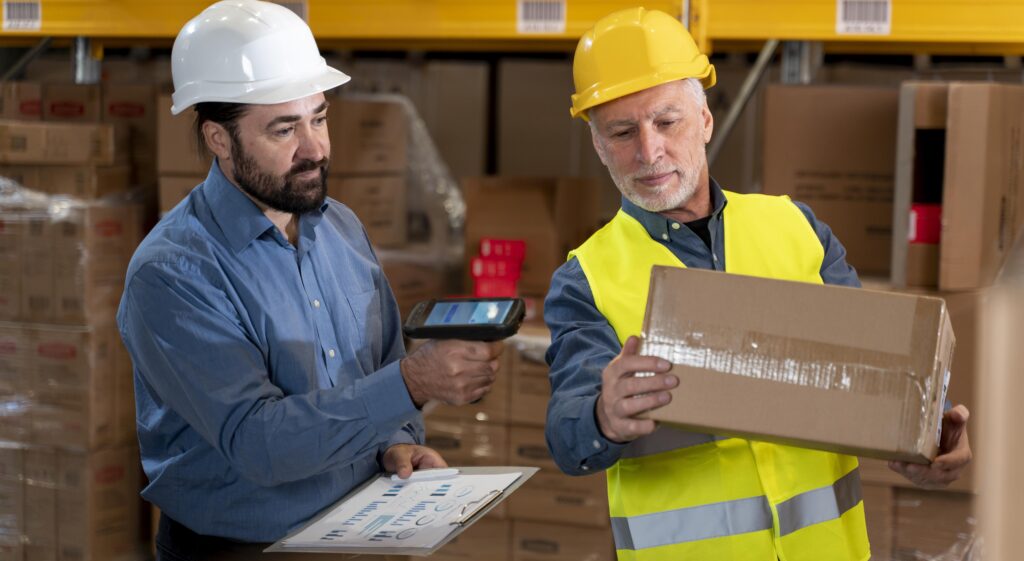
- Inventory Management: Stock levels are tracked with software. The 3PL updates inventory in real time, helping you avoid stockouts or excess stock.
- Order Fulfillment: When a customer order arrives, the 3PL retrieves the items (picking), packs them securely, and prepares them for shipping.
- Transportation: The 3PL arranges trucks, air freight or ocean shipments. It selects cost-effective routes and carriers, often using its own carrier network.
- Last-Mile Delivery & Returns: The 3PL can deliver to end customers (last-mile) and handle returns or exchanges (reverse logistics) if needed.
- Value-Added Services: Additional tasks like labeling, kitting, assembling products, or customizing packaging are handled as needed.
A simplified table below shows how 3PL firms fit into the supply chain:
| Step | 3PL Actions |
| Inbound Logistics | Receive shipments, unload and inspect goods |
| Storage | Store inventory in racked warehouse, climate-controlled if needed |
| Inventory Control | Track stock levels with a warehouse management system |
| Order Processing | Pick and pack items for customer orders |
| Outbound Shipping | Book freight and deliver packages to customers |
| Returns & Reverse | Process returns, restock or dispose items properly |
| Value-Added Tasks | Perform labeling, assembly, or kitting services |
Each 3PL may handle these steps differently, but all aim to integrate seamlessly with your operations. You maintain control by setting requirements and monitoring performance, while the 3PL handles the execution.
Why Use a 3PL Logistics Company?
Businesses partner with a 3PL logistics company to save time and money and access expertise. A 3PL leverages its scale and technology to reduce your costs and headaches. For example, it brings advanced software (TMS/WMS) and industry know-how without large capital investments. This means you don’t need to own warehouses or hire trucks, which cuts fixed costs. If demand spikes or dips, a 3PL lets you flex operations up or down rapidly.
Key benefits of using 3PL services include:
- Cost Efficiency: You avoid upfront costs for warehouses, vehicles, and staff. 3PLs achieve lower per-unit costs through bulk operations.
- Scalability: Seasonal peaks or new market expansions are handled by the 3PL. You simply adjust your orders, and the 3PL scales its resources.
- Expertise & Technology: 3PLs specialize in logistics. They provide trained staff, best practices, and tools (like routing software or advanced inventory systems) that you might not have in-house.
- Faster Delivery & Global Reach: Many 3PLs have networks of warehouses and transport partners worldwide. This lets you serve more customers quickly, even abroad.
- Focus on Core Business: Outsourcing logistics frees you to focus on product design, marketing, or customer service. You leave shipping details to specialists.
Services Offered by a 3PL Logistics Company
A 3PL logistics company offers a full suite of supply chain services. Beyond basic shipping, it typically provides:
- Warehousing & Storage: Secure, often temperature-controlled warehouse for your inventory. For instance, Dubai’s bonded warehouses handle customs, dangerous goods, and temperature-sensitive items.
- Transportation Management: Coordination of freight by road, sea, or air. 3PLs can consolidate loads (LTL/FTL shipping) to save cost and speed up delivery.
- Order Fulfillment: Pick, pack, and ship products when orders come in. This includes labelling, packaging, and ensuring accurate, on-time dispatch.
- Inventory Control: Real-time tracking of stock levels using warehouse software. This helps maintain ideal inventory turns and alerts for replenishment.
- Cross-Docking: Fast-moving shipments may bypass storage. A 3PL can move goods directly from the receiving dock to shipping dock to cut handling time.
- Reverse Logistics: Handling returns or exchanges. 3PLs inspect returned items, restock or dispose of them, and recycle when possible.
- Value-Added Services: Extras like kitting (assembling kits of products), repackaging, consolidation, and custom labelling. These let you offer customized solutions without extra in-house work.
- Technology & Data: Many 3PLs provide online portals or dashboards. You can track shipments, view inventory reports, and analyze performance data to optimize your supply chain.
By offering these services, a 3PL acts as a one-stop shop for logistics. You simply hand off your goods and let the provider manage all those pieces.
3PL vs. Alternatives
It helps to know how 3PL compares to other logistics options:
| Aspect | 3PL Logistics Provider | 4PL Logistics (Strategic Partner) | Freight Forwarder |
| Scope | Executes specific supply chain tasks (warehousing, transport, fulfilment). | Manages & optimizes the entire logistics network; strategic oversight. | Focuses on shipping and documentation; mainly transport bookings. |
| Control | Handle agreed services; you keep oversight of performance. | Integrates the whole chain, acting as a single point of contact. | Organizes transport, but does not manage your inventory. |
| Best for | Companies needing help with specific logistics tasks or growth (e.g., small to mid businesses). | Companies wanting a dedicated logistics strategy or having very complex supply chains. | Businesses with mainly international shipping needs or customs expertise. |
| Services Provided | Warehousing, fulfillment, transport, inventory management. | All 3PL services + supply chain design and data analytics. | Booking carriers, preparing shipping docs; sometimes customs brokerage. |
In short, a 3PL provider is like an external logistics department for your company. They handle many tasks under one roof. A freight forwarder is more limited to moving cargo, while a 4PL takes a higher-level strategic role (often managing multiple 3PLs for you). For most growing businesses, a 3PL logistics company offers the right blend of execution and flexibility.
How to Choose a 3PL Logistics Company
When selecting a 3PL logistics company, focus on fit and capabilities. Consider:
- Relevant Experience: Pick a provider experienced in your industry and product types. For example, if you ship electronics or perishables, ensure they have proper warehousing (temperature control) and handling expertise.
- Service Range: Make sure they offer the services you need (e.g., customs clearance, last-mile delivery, returns handling).
- Technology & Transparency: Good 3PLs use modern WMS/TMS so you can see your inventory and shipments online in real time.
- Coverage & Locations : A provider with warehousing in key zones (like Jebel Ali, Dubai South) and transport networks will speed up your deliveries in the UAE and beyond.
- Scalability & Contracts: Look for flexible contract terms. As noted by analysts, many UAE companies are moving to long-term 3PL partnerships to secure capacity.
- Cost Structure: Compare pricing models. 3PL fees often include a fixed storage fee plus per-pallet or per-order charges. Transparent billing avoids surprises.
- Reputation & Certification: Check for industry certifications (e.g., ISO) and client references. A certified 3PL ensures high standards of quality and security.
- Local Knowledge: A company familiar with UAE regulations and free zone rules can clear customs and move goods faster.
By weighing these factors and talking to several providers, you can find a 3PL logistics company that fits your needs and budget. The right partner will not just move freight, but actively improve your supply chain operations.
Conclusion
A reliable 3PL logistics company can help businesses scale faster, reduce shipping costs, and improve delivery performance. Whether you import, export, or distribute goods across the UAE and international markets, outsourcing logistics gives your team more time to focus on growth and customer service.
At TLM Logistics, we provide tailored 3PL logistics solutions for businesses across Dubai and the UAE. From warehousing and inventory management to freight forwarding and last-mile delivery, our team supports your supply chain at every stage. Contact us today to find the right logistics solution for your business.