
Choosing the right chemical logistics partner in the UAE starts with one question: can they handle your cargo safely, legally, and while sticking to the delivery time?
Chemical logistics is not the same as moving general cargo. You may be dealing with flammable liquids, corrosives, gases, toxic substances, temperature-sensitive materials, or non-hazardous chemicals that still need controlled handling.
In the UAE, this matters even more because chemicals move through busy ports, airports, free zones, and industrial areas every day. A small mistake in storage, segregation, documentation, or transport can expose your business to serious risk.
1. Check Their Chemical Logistics Experience
You should choose a partner that already handles chemical and dangerous goods cargo. Chemical cargo needs trained people, approved storage areas, safe handling procedures, and proper documentation. Your logistics partner needs to understand how different chemical classes behave during storage and transport.
For example, flammable liquids, corrosive substances, gases, oxidizing agents, toxic chemicals, and environmentally hazardous materials cannot be treated the same way. Each category needs the right segregation, packaging, labeling, and emergency planning.
When speaking to a provider, ask what types of chemicals they handle regularly. A capable partner should be able to explain their process clearly.
2. Confirm Their DG Cargo Certifications
Your chemical logistics partner needs certified teams trained in dangerous goods handling.
Certifications matter because chemical logistics involves strict safety rules. Depending on the transport mode, your partner may need to follow local authority requirements along with international standards.
Look for teams trained in IATA DGR, IMDG Code, HAZMAT handling, hazardous material identification, segregation, emergency response, and DG documentation.
This is especially important if your cargo moves by air, sea, or multimodal routes. Air freight, sea freight, and road freight each follow different handling requirements.
3. Look For a Specialized Chemical Warehousing Facility
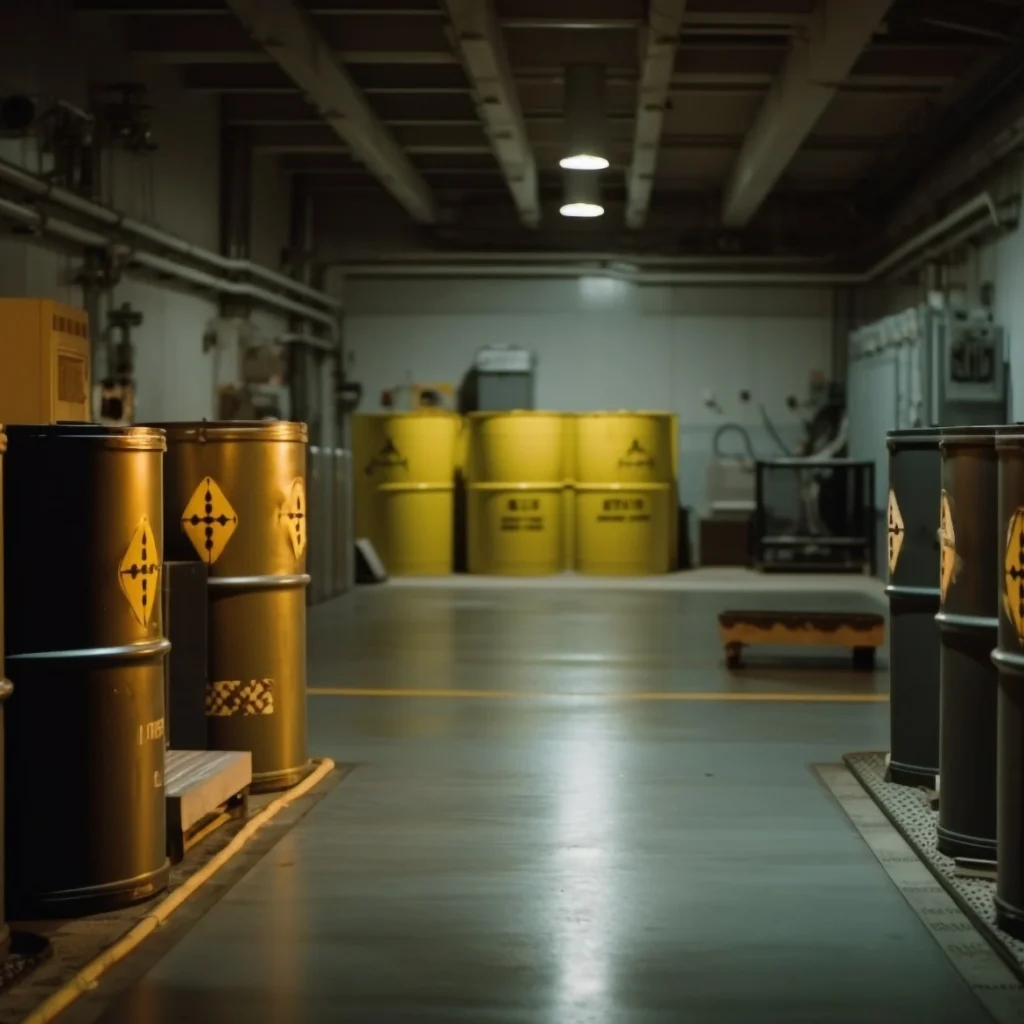
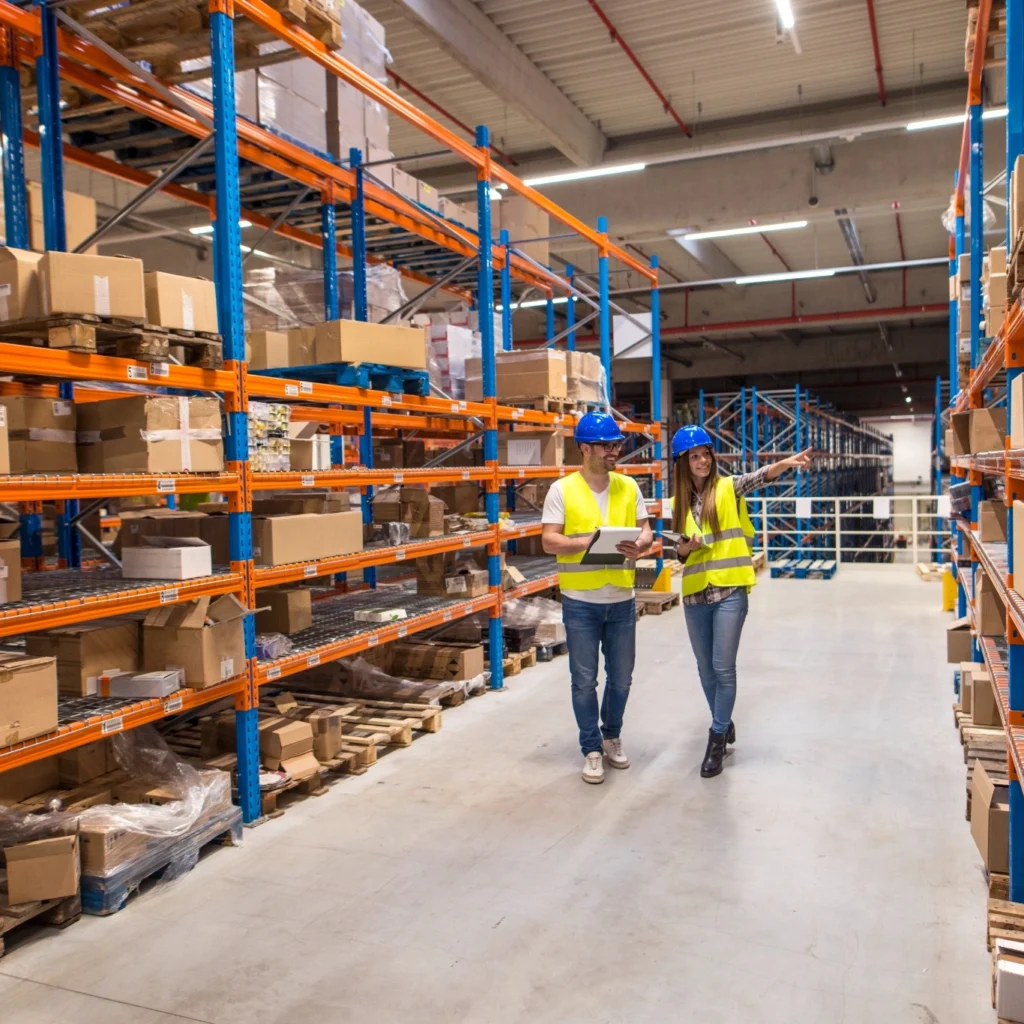
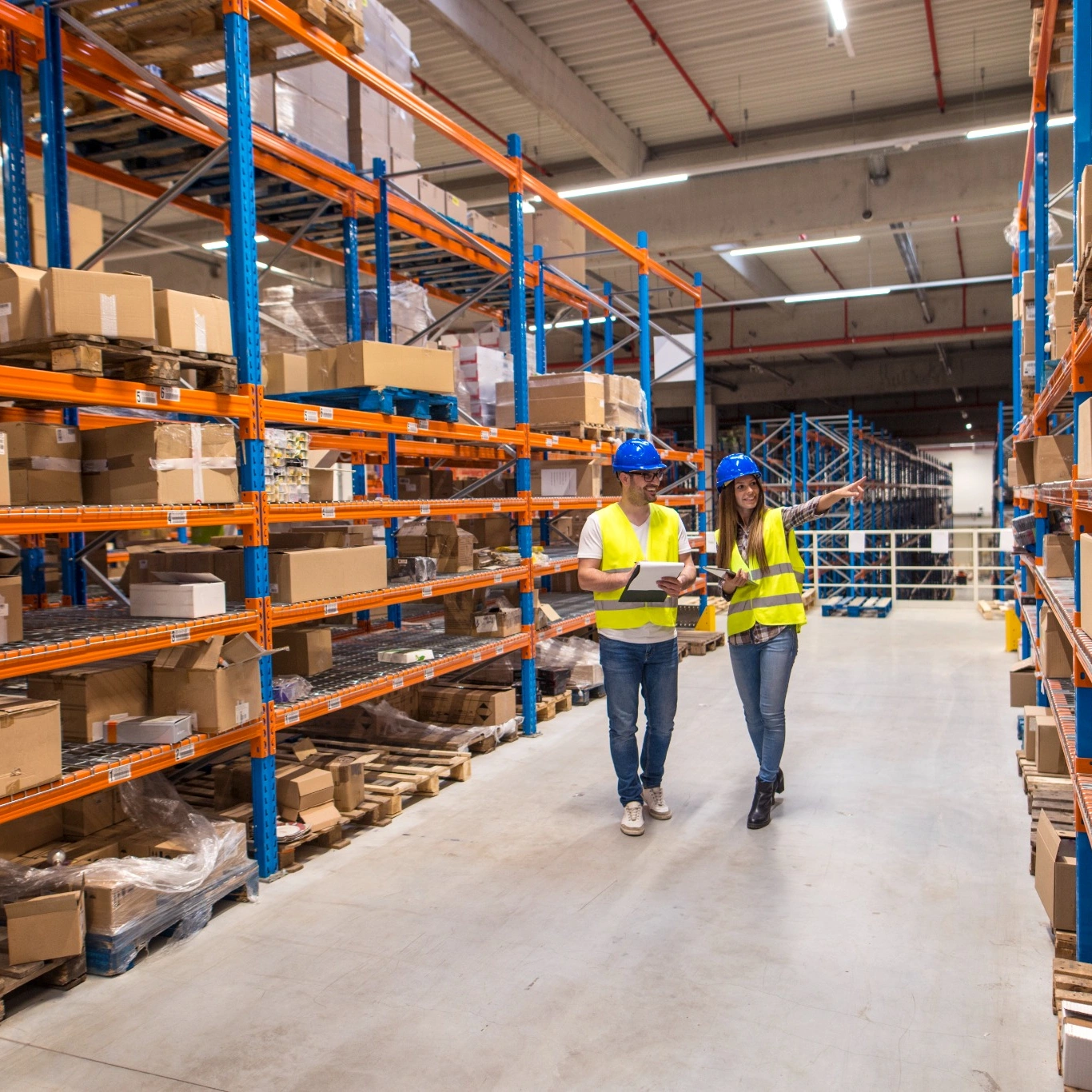
Chemical warehousing needs controlled infrastructure. This can include temperature-controlled chambers, spill containment systems, fire suppression systems, explosion-proof electrical installations, emergency response systems, and 24/7 monitoring.
If your cargo is sensitive to heat, humidity, or contamination, temperature control becomes even more important. In the UAE climate, poor storage conditions can affect chemical stability and product quality.
For businesses that need specialised chemical logistics, TLM’s T4 facility is designed for Dangerous Goods and non-DG chemical cargo, with 58,000 pallet positions, fireproof chambers, 24/7 surveillance, OHSE certification, and close access to Al Maktoum Airport and Jebel Ali Port.
4. Ask How They Handle DG Segregation
Your logistics partner needs to separate chemicals based on risk and compatibility.
Some substances become dangerous when stored near incompatible materials. Flammable cargo, corrosives, oxidizers, gases, and toxic substances may need separate handling and storage conditions.
A reliable logistics company in Dubai will review your Safety Data Sheet, product classification, UN number, packing group, and handling instructions before accepting the cargo.
5. Choose a Partner Close to UAE Transport Hubs
Choose a chemical logistics company with easy access to major UAE transport hubs. Location affects delivery speed, cost, and reliability. Being close to Jebel Ali Port, Al Maktoum International Airport, Dubai South, and major road networks can make chemical cargo movement faster.
6. Check DG Cargo Paperwork and Permit Support
Choose a partner that understands DG cargo paperwork from the start. Many chemical cargo delays happen because of missing, incomplete, or incorrect documents. Your logistics partner needs to check what is required before cargo reaches the warehouse, port, airport, or transport point.
This may include Safety Data Sheets, DG declarations, packing lists, commercial invoices, permits, labels, transport documents, UN numbers, packing groups, and carrier requirements.
For dangerous goods cargo, accurate paperwork is part of safe and legal movement. It also helps reduce rejected shipments and last-minute corrections.
7. Look for an End-to-End Logistics Partner
Choose a partner that can manage chemical storage, DG cargo handling, paperwork, freight, customs support, inventory tracking, and final delivery under one process.
Chemical shipments become harder to manage when different vendors handle each stage separately. Every handover creates room for delays, missed cargo instructions, or unclear responsibility.
If you are comparing chemical logistics providers in Dubai, TLM Logistics brings these capabilities together through its Dubai South T4 facility, DG cargo team, automated WMS tracking, and multimodal freight support.
Conclusion
TLM Logistics supports chemical and DG cargo with certified handling, secure warehousing, and end-to-end logistics solutions in Dubai.
Our T4 facility supports chemical manufacturers, traders, and distributors that need safe storage, controlled handling, temperature-controlled chambers, and reliable cargo movement.
We also work with trained professionals and certified teams across IATA DGR, IMDG, and HAZMAT-related handling. This gives businesses a safer and more structured way to manage chemical cargo in the UAE. If you need chemical warehousing, DG cargo storage, multimodal transport support, contact us for a custom quote.