
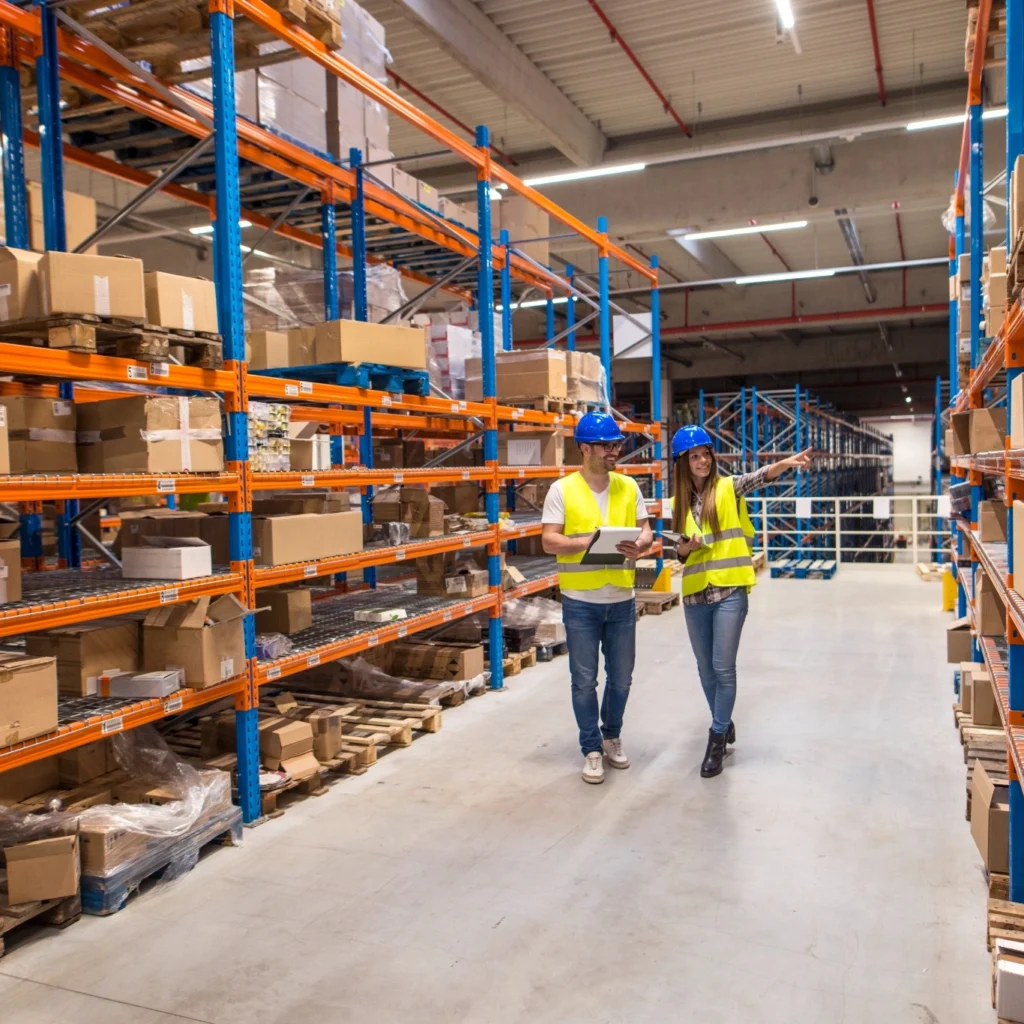
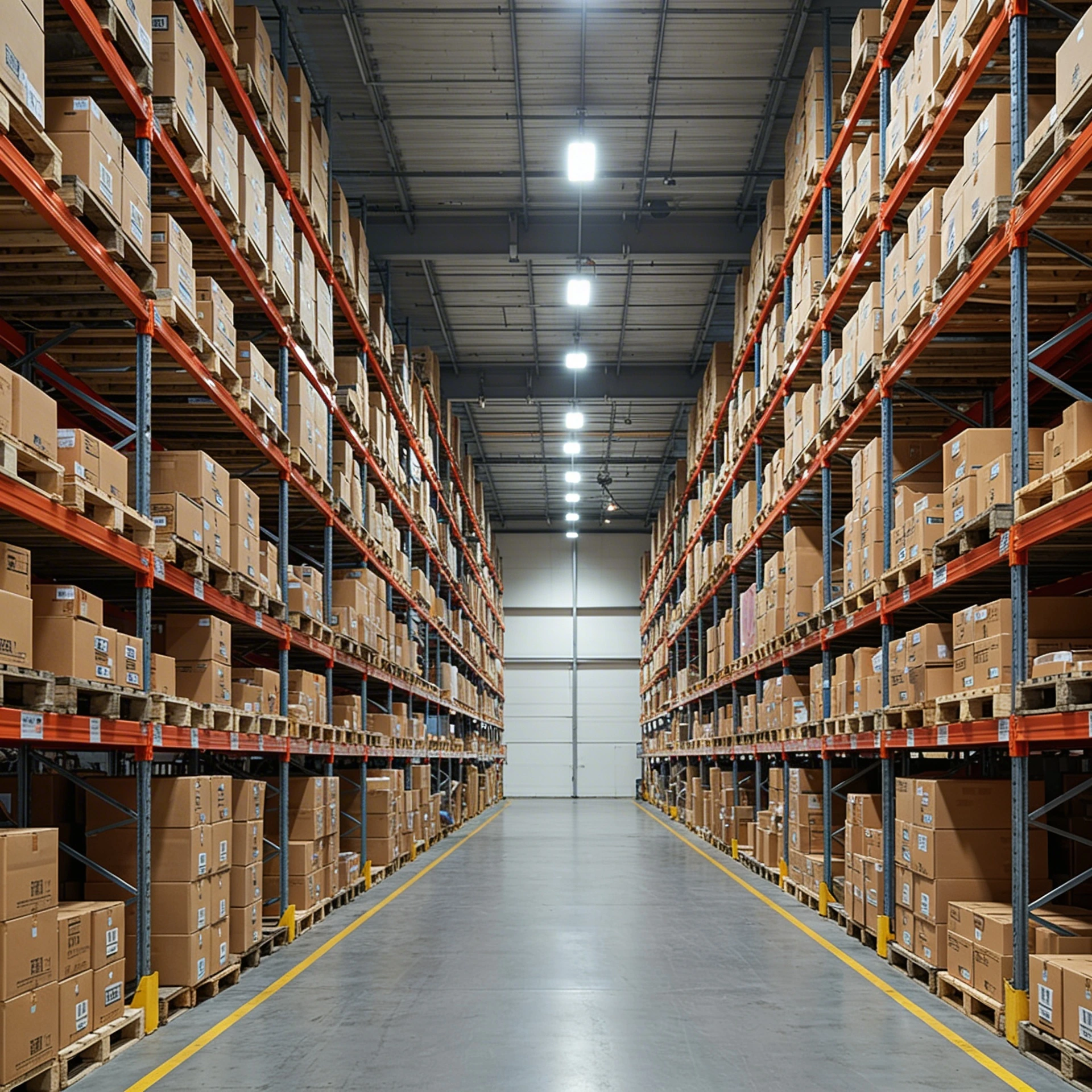
The UAE has firmly established itself as one of the world’s most important trade and logistics hubs. Its strategic location between East and West, world-class infrastructure, and business-friendly policies make it a top destination for companies looking to expand their regional and global reach. Whether you are an importer, exporter, or e-commerce brand, partnering with a trusted logistics company in Dubai can help you with freezone warehousing in the UAE.
What is a Freezone in the UAE?
A freezone is a designated geographic area within the UAE where businesses can operate under a special set of rules that differ from the country’s mainland regulations. These zones were created to attract foreign investment by offering a simplified business setup process and significant financial incentives.
The UAE introduced its first freezone Jebel Ali Free Zone (JAFZA) back in 1985, and the concept quickly proved to be a game-changer. Today, the UAE is home to over 45 freezones spread across Dubai, Abu Dhabi, Sharjah, and other emirates, each catering to different industries such as technology, media, finance, healthcare, and logistics.
The key difference between a freezone and mainland UAE is that freezone companies operate within a regulated but highly flexible environment, with relaxed ownership laws and reduced tax obligations.
What is a Freezone Warehouse?
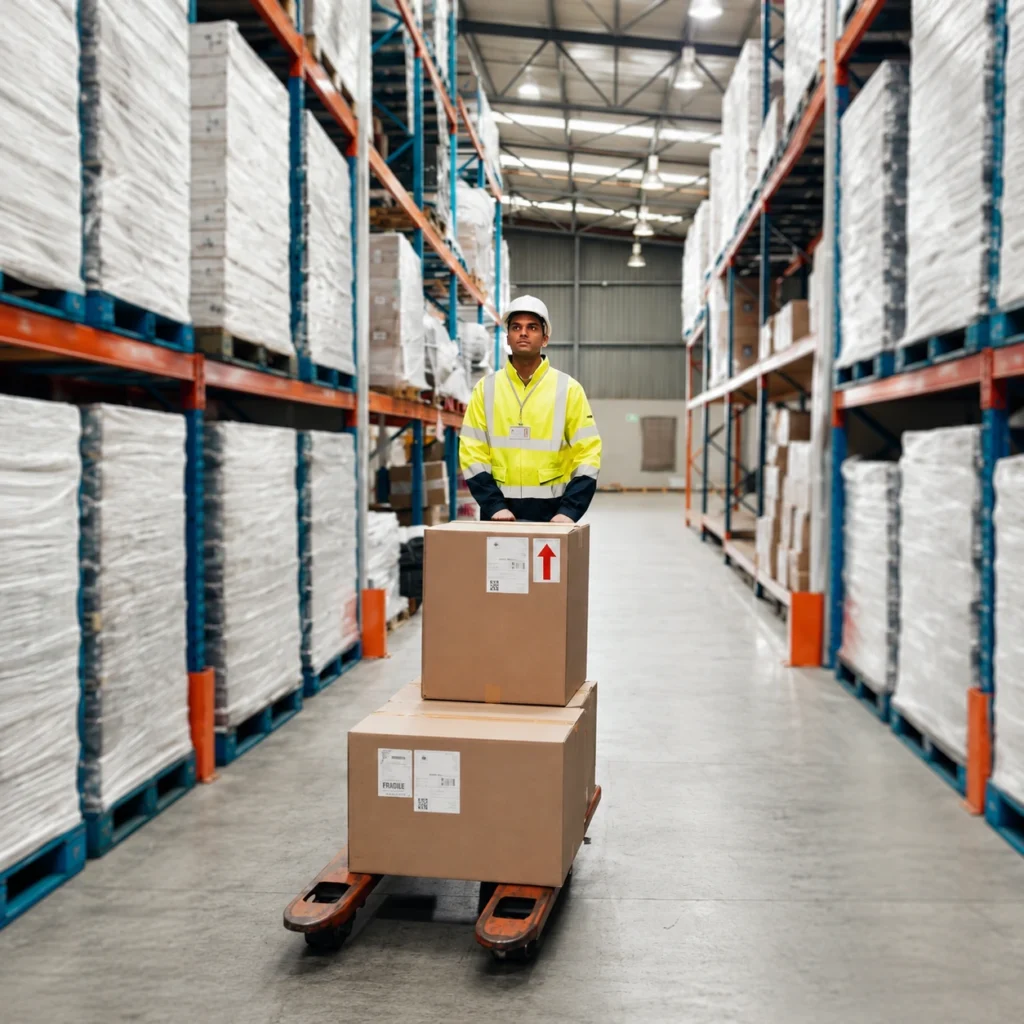
A freezone warehouse is a storage and distribution facility located within one of the UAE’s designated freezone areas. Goods stored in these warehouses are considered to be outside the UAE’s customs territory, which means they are not subject to standard UAE import duties until they are moved into the mainland market.
Freezone warehouses serve a wide variety of purposes, including general cargo storage, cold chain and temperature-controlled storage, distribution and order fulfilment, light assembly and packaging, and cross-docking and re-export operations.
These warehouses are used by a broad range of businesses from global multinationals and manufacturers to SMEs, e-commerce companies, and trading firms that use the UAE as a regional distribution base.
Key Benefits of a Freezone Warehouse in UAE
Freezone warehouses offer a compelling package of benefits that make them attractive to businesses of all sizes. Choosing the right solution for warehousing in Dubai and the wider UAE can give your supply chain a significant advantage.
- 100% Foreign Ownership: Unlike mainland UAE companies, freezone businesses can be fully owned by foreign nationals with no local sponsor or partner is required.
- Zero Import and Export Duties: Goods brought into a freezone warehouse are exempt from customs duties, making it highly cost-effective for companies that trade internationally.
- Full Repatriation of Capital and Profits: Businesses can transfer all of their profits and capital back to their home country without restrictions.
- No Corporate or Personal Income Tax: Freezone companies enjoy 0% corporate and personal income tax, resulting in substantial cost savings.
- Streamlined Customs Procedures: Freezone authorities handle customs processes efficiently, reducing bureaucracy and saving time on import and export documentation.
- World-Class Infrastructure: UAE freezones are equipped with advanced warehousing facilities, modern transport links, and cutting-edge technology to support seamless logistics operations.
JAFZA: The UAE’s Premier Freezone for Warehousing
The Jebel Ali Free Zone (JAFZA) is one of the largest and most strategically important free trade zones in the world. Situated adjacent to the world’s ninth-busiest port, Jebel Ali Port, JAFZA provides unmatched connectivity to global shipping lanes, air freight, and road networks.
Benefits of JAFZA Bonded Warehousing
One of JAFZA’s most valuable offerings is its bonded warehouse facility. A bonded warehouse is a secure storage area where imported goods can be held without payment of customs duties until they are either re-exported or released for sale in the UAE mainland.
The key benefits of JAFZA bonded warehousing include:
- Deferred Duty Payments: Businesses can store goods for extended periods without paying duties upfront, freeing up working capital and improving cash flow.
- Flexible Inventory Management: Companies can hold large volumes of stock and release them to the market as demand dictates, without triggering unnecessary customs costs.
- Reduced Financial Risk: Since duties are only paid when goods enter the UAE mainland, businesses avoid paying duties on goods that may ultimately be re-exported.
- Compliance and Security: JAFZA bonded warehouses operate under strict customs supervision, ensuring goods are stored safely and in full regulatory compliance.
Duty-Free Advantages in JAFZA
JAFZA’s duty-free environment is one of its most compelling advantages for international traders. Goods imported into JAFZA are completely exempt from UAE customs duties, which are typically set at 5% of the CIF (Cost, Insurance, and Freight) value for goods entering the mainland.
This means companies can import large shipments, consolidate them in JAFZA, and either redistribute them regionally or move select quantities to the UAE mainland paying duties only on what enters the domestic market. This model is particularly beneficial for regional distributors who supply multiple GCC countries from a single UAE base, e-commerce businesses managing high SKU volumes, and manufacturers sourcing raw materials internationally for local production.
Re-Export Rules from JAFZA
Re-exporting goods from JAFZA is straightforward and highly encouraged by the free zone’s operational framework. Here is how it works:
- No Re-Export Duties: Goods that enter JAFZA and are subsequently re-exported to other countries do not attract any UAE customs duties or exit tariffs.
- Minimal Documentation: JAFZA’s customs authority provides a streamlined documentation process for re-exports, reducing administrative burden for logistics operators.
- Value-Added Processing Permitted: Companies can perform light manufacturing, repackaging, labelling, and product assembly within JAFZA before re-exporting, adding significant value to goods without leaving the freezone.
- GCC Re-Export Compliance: Goods re-exported from JAFZA to other GCC member states must comply with each country’s import regulations and rules of origin requirements. Importers should work with an experienced logistics partner to ensure smooth cross-border movement.
- Certificate of Origin: A valid Certificate of Origin issued in JAFZA may be required for re-exports to certain markets, particularly when trade agreements or preferential tariff rates apply.
Other Popular Freezones with Warehousing in UAE
While JAFZA is the most prominent, several other UAE freezones offer excellent warehousing facilities:
- Dubai Airport Freezone (DAFZA): Located next to Dubai International Airport, DAFZA is ideal for businesses dealing in high-value, time-sensitive cargo such as electronics, pharmaceuticals, and luxury goods.
- Sharjah Airport International Freezone (SAIF Zone): A cost-effective option for businesses seeking warehousing close to Sharjah International Airport, popular with SMEs and trading companies.
- Abu Dhabi Airports Free Zone (ADAFZ): Positioned near Abu Dhabi International Airport, this freezone is well-suited for businesses targeting the capital’s growing market and the broader GCC region.
- Hamriyah Free Zone (Sharjah): Offering large industrial and warehousing plots at competitive rates, Hamriyah is popular with heavy industry and manufacturing businesses.
How Does a Freezone Warehouse Work?
The operational flow of a freezone warehouse is straightforward. Goods arrive at a UAE port or airport and are directed to the freezone under a customs transit declaration, bypassing standard mainland import procedures. Once inside the freezone, the goods can be stored indefinitely (subject to warehouse lease terms), inspected, repacked, relabelled, or lightly processed.
When the business is ready to sell the goods in the UAE, a formal customs declaration is submitted and applicable duties are paid before goods cross into the mainland. If the goods are destined for other countries, they are loaded onto outbound shipments and exit the UAE duty-free. Throughout this process, a reliable logistics partner manages the documentation, coordination, and compliance on your behalf.
Freezone Warehouse vs. Mainland Warehouse: Which is Right for You?
The right warehousing solution depends entirely on your business model. A freezone warehouse is ideal if you are primarily importing and re-exporting goods, sourcing products internationally for regional distribution, seeking maximum tax and duty savings, or a foreign-owned business without a UAE mainland licence.
A mainland warehouse, on the other hand, may be more suitable if your primary customer base is within the UAE domestic market, you require direct delivery to mainland retailers or end-consumers, or your business needs a mainland trade licence for regulatory reasons.
Many businesses operate using a freezone warehouse for international distribution and a mainland facility to serve the local market. An experienced logistics partner can help you design the optimal setup for your specific needs.
Conclusion
Freezone warehouses in the UAE offer a powerful combination of duty-free storage, flexible re-export capabilities, and world-class infrastructure that can transform how your business manages its supply chain. Whether you are looking to leverage JAFZA’s bonded warehousing advantages, take advantage of duty-free zones for international trade, or streamline your regional distribution, the UAE’s freezone ecosystem has a solution for you.
At TLM Logistics, we specialise in helping businesses select the right zone and facility to managing customs documentation, inventory, and last-mile delivery. Our team brings deep local expertise and a commitment to making your logistics operations as efficient and cost-effective as possible.
Ready to explore freezone warehousing solutions in the UAE? Contact TLM Logistics today and let our experts build a tailored warehousing strategy for your business.