
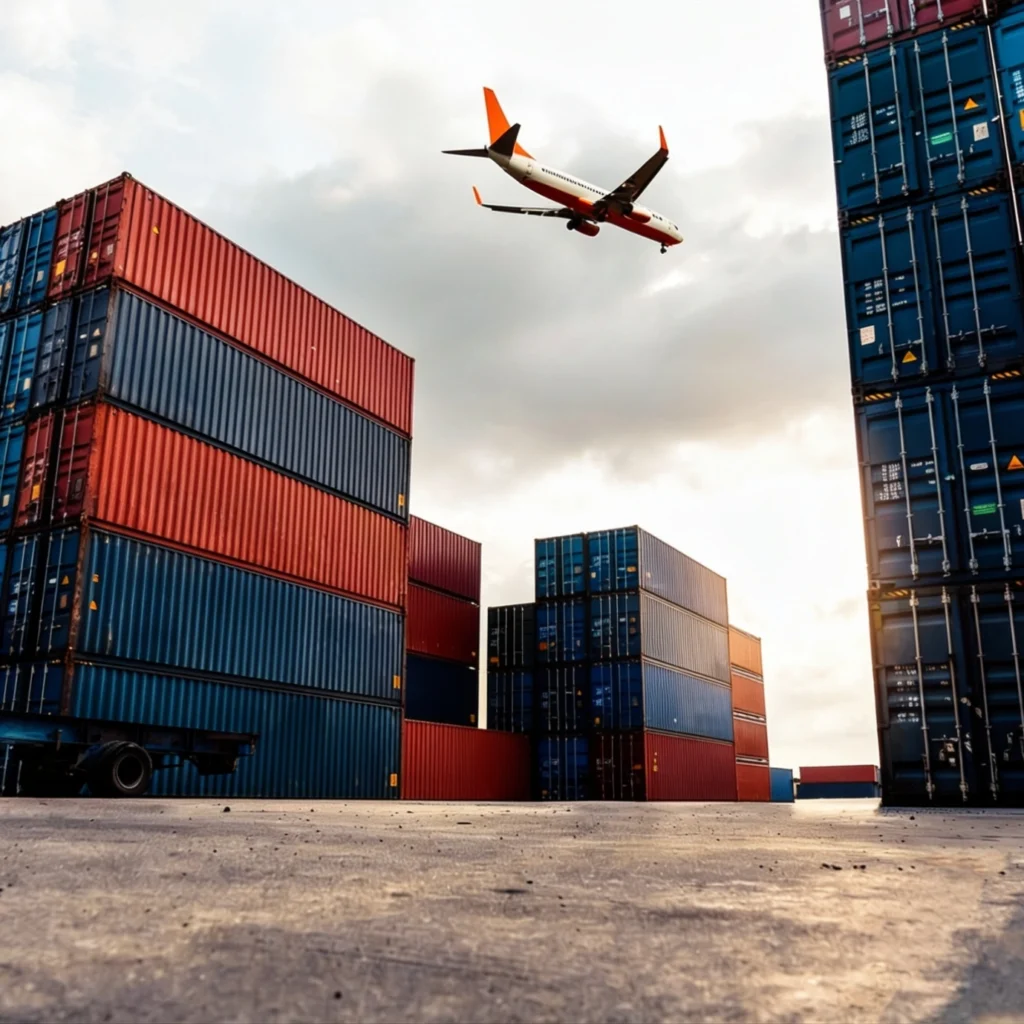
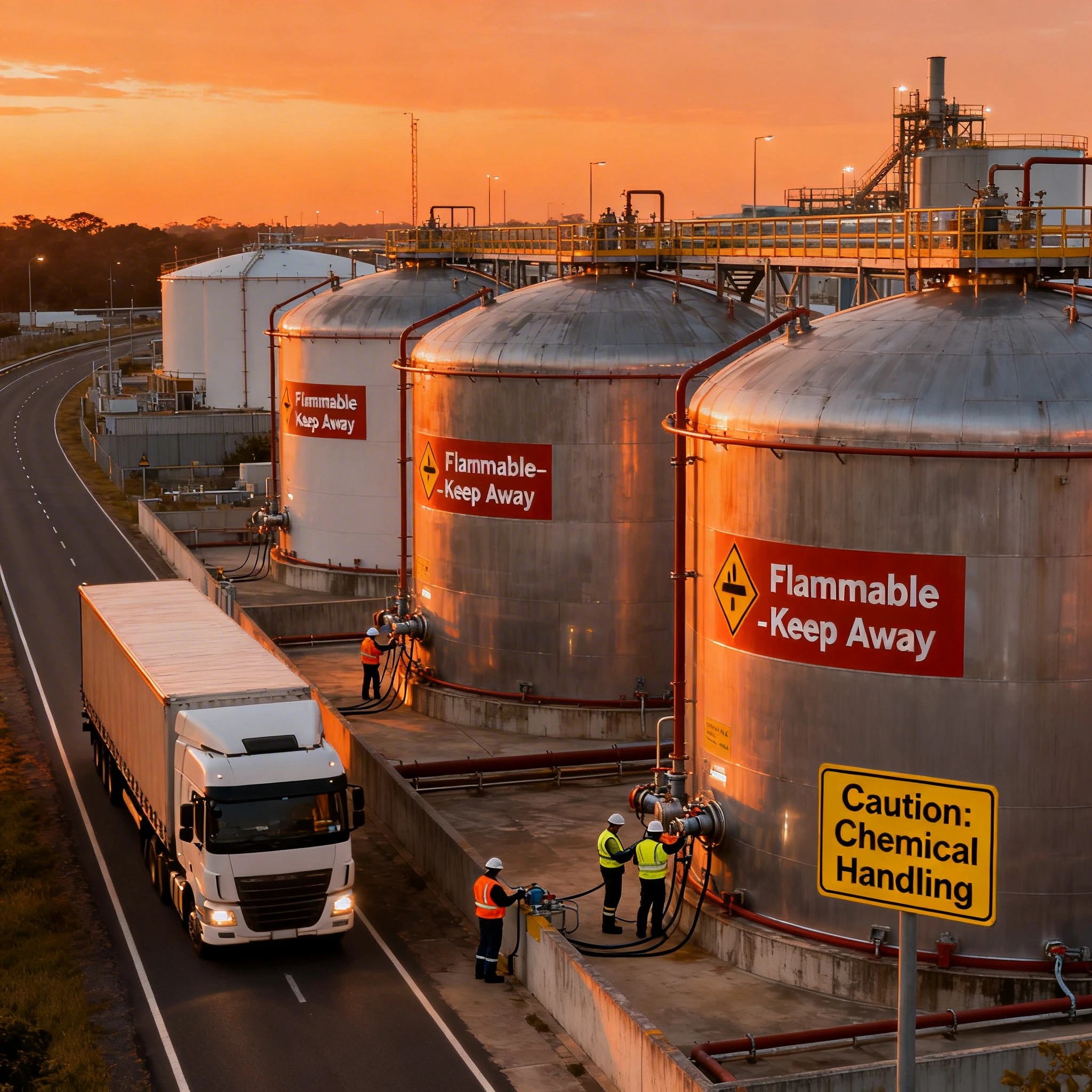
Chemical logistics is one of the most complex and high-stakes sectors in the global supply chain. Moving hazardous substances from industrial solvents and corrosives to flammable gases and toxic compounds demands precision, expertise, and an unwavering commitment to safety. A single misstep can result in environmental disasters, regulatory penalties, injuries, or loss of life.
As global demand for chemicals continues to rise, understanding the biggest risks in chemical logistics and the strategies used to manage them has become more important for shippers, carriers, and supply chain managers.
1. Hazardous Material Spills and Leaks
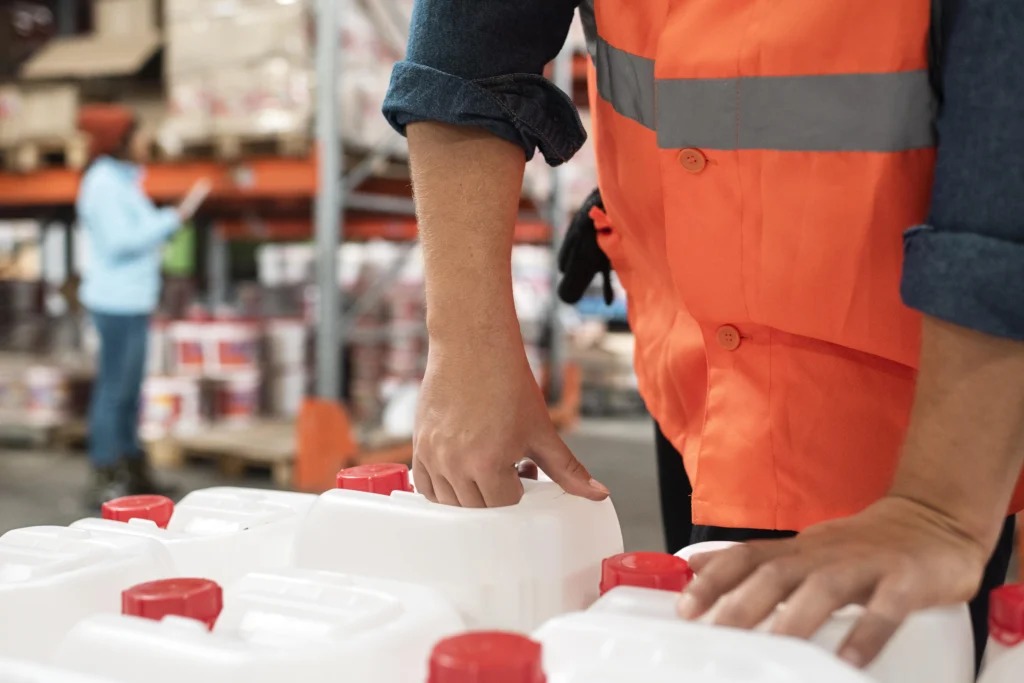
Perhaps the most visible risk in chemical logistics is the accidental release of hazardous substances during transportation or storage. Spills and leaks can occur due to improper packaging, container failure, vehicle accidents, or human error. The consequences range from environmental contamination to public health emergencies.
How it’s managed:
- Use of UN-certified packaging designed specifically for hazardous materials
- Regular inspection and maintenance of containers, tankers, and storage vessels
- Secondary containment systems (double-walled tanks, spill trays) to capture leaks before they spread
- Emergency response protocols and spill kits carried by drivers handling dangerous goods
2. Regulatory Non-Compliance
Chemical logistics is governed by a dense web of international, national, and local regulations. These include the UN Model Regulations, ADR (European Agreement on Dangerous Goods by Road), IATA regulations for air transport, and IMDG codes for sea freight. Failing to comply can result in shipment delays, heavy fines, license revocations, and reputational damage.
How it’s managed:
- Dedicated compliance teams that stay current with evolving regulations
- Proper classification, labeling, and documentation of all hazardous goods (SDS sheets, dangerous goods declarations)
- Regular staff training and certification programs
- Working with experienced third-party logistics (3PL) providers who specialize in chemical transport
3. Flammable Chemical Storage and Incompatibility Risks
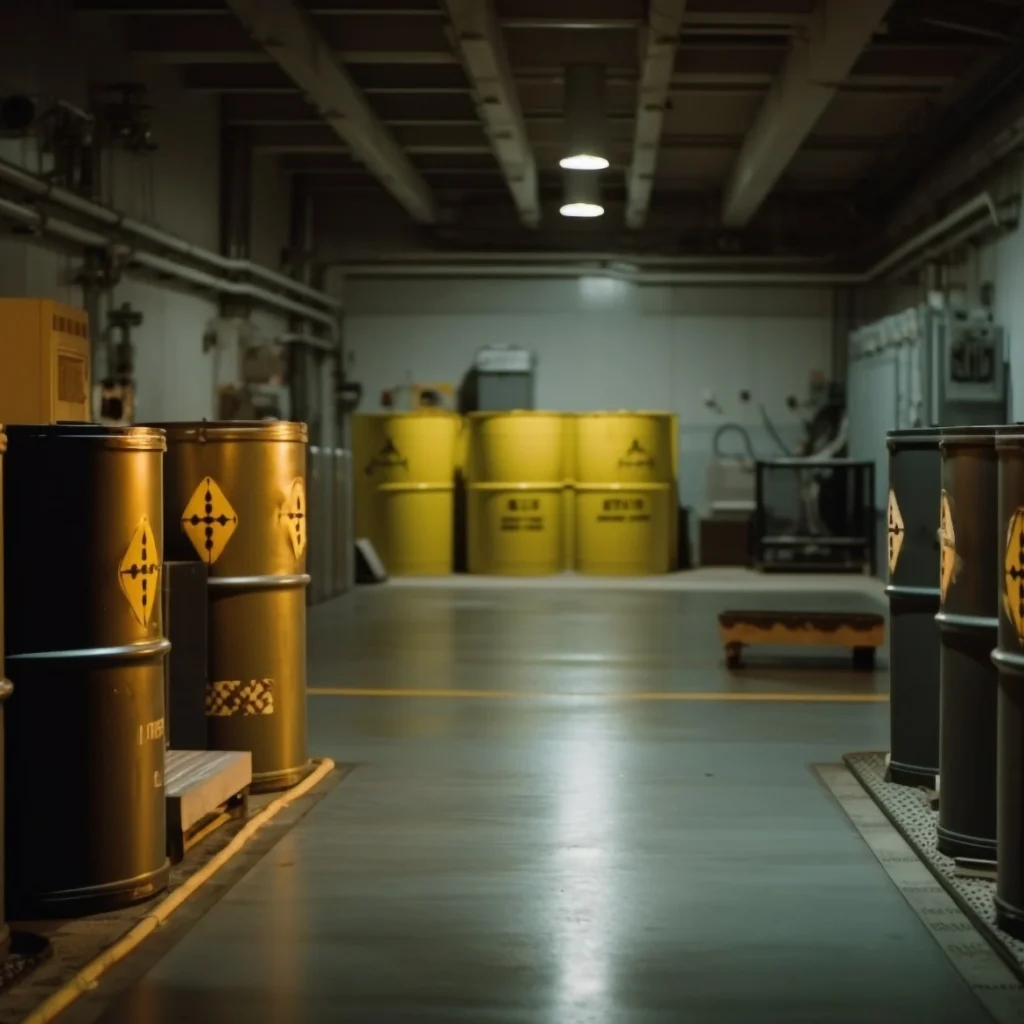
One of the most critical and often underestimated challenges in chemical logistics is the safe storage of flammable chemicals. Flammable chemical storage requires far more than a locked room; it demands purpose-built facilities, strict segregation rules, and continuous monitoring. Mixing incompatible substances such as oxidizers with flammables, or acids with bases can trigger violent reactions, fires, or toxic gas releases. Improper flammable chemical storage is one of the leading causes of warehouse fires globally, making it a top priority for logistics operators.
How it’s managed:
- Dedicated flammable chemical storage areas built to NFPA 30 or equivalent fire safety standards
- Explosion-proof lighting, ventilation systems, and anti-static flooring in storage zones
- Strict chemical segregation protocols based on hazard class and compatibility charts
- Clearly marked storage zones within warehouses with appropriate hazard signage
- Technology-driven inventory management systems that flag incompatible storage combinations
- Trained warehouse staff who understand chemical properties and fire reaction risks
4. Temperature and Environmental Sensitivity
Many chemicals are highly sensitive to temperature fluctuations, humidity, or light exposure. Cryogenic substances, reactive compounds, and certain specialty chemicals can degrade, become unstable, or lose efficacy if not maintained within precise environmental conditions throughout the supply chain. Flammable chemicals, in particular, may have low flash points that make temperature control during both transit and storage absolutely critical.
How it’s managed:
- Temperature-controlled vehicles and cold chain logistics for sensitive materials
- Real-time monitoring using IoT sensors that track temperature, humidity, and pressure
- Contingency plans for unexpected delays or equipment failures during transit
- Insulated packaging and climate-controlled warehousing facilities
5. Supply Chain Disruptions
Natural disasters, geopolitical tensions, port congestion, and pandemics can all disrupt chemical supply chains with severe downstream consequences. Because many industries including pharmaceuticals, agriculture, manufacturing depend on timely chemical supplies, even short delays can trigger cascading production halts.
How it’s managed:
- Building supplier redundancy and diversifying sourcing geographies
- Maintaining strategic buffer stock for critical chemical inputs
- Advanced supply chain visibility platforms that provide real-time tracking and early warning alerts
- Scenario planning and business continuity frameworks tailored to chemical logistics
6. Human Error and Workforce Safety
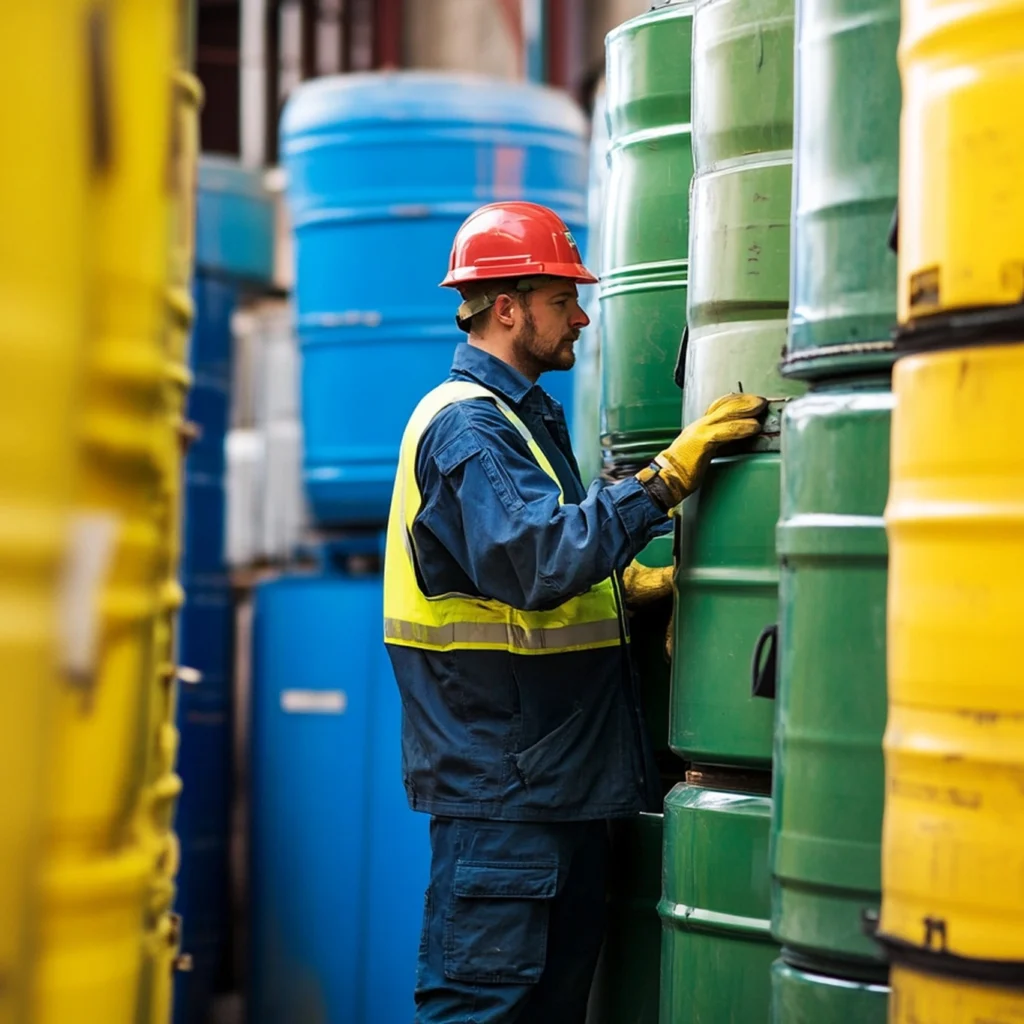
Human error remains one of the leading causes of incidents in chemical logistics. Mislabeling, incorrect loading, failure to use personal protective equipment (PPE), and inadequate training all contribute to preventable accidents particularly in flammable chemical storage environments where a single spark can have catastrophic consequences.
How it’s managed:
- Comprehensive onboarding and ongoing training for all personnel handling hazardous goods
- Standardized operating procedures (SOPs) for loading, unloading, and storage
- A strong safety culture reinforced by leadership and regular safety audits
- Use of automation and digital tools to reduce manual handling errors
Conclusion
Chemical logistics will always carry inherent risks but those risks are manageable with the right systems, expertise, and mindset. From preventing spills to ensuring compliant flammable chemical storage, the most successful chemical logistics operations combine regulatory diligence, advanced technology, rigorous staff training, and proactive risk planning to keep people, communities, and the environment safe.
For businesses operating in this space, partnering with specialized logistics providers who understand the unique demands of hazardous materials is not just a smart decision — it’s a necessity.