



Shipping dangerous goods is one of the most tightly regulated areas of logistics. A single compliance failure can result in heavy fines, shipment delays, or worse, a safety incident that puts lives at risk.
In the UAE, where trade volumes are among the highest in the Middle East, the movement of hazardous materials like industrial chemicals to flammable liquids demands strict adherence to both local and international regulations.
Moving DG cargo across borders involves more than just booking a carrier. It requires accurate classification, compliant packaging, precise documentation, and a certified logistics partner who understands the rules inside out.
What Are Dangerous Goods?
Dangerous goods (DG) also referred to as hazardous materials are substances or articles that pose a risk to health, safety, property, or the environment during transportation.
The United Nations classifies dangerous goods into 9 categories:
- Class 1 — Explosives
- Class 2 — Gases
- Class 3 — Flammable Liquids
- Class 4 — Flammable Solids
- Class 5 — Oxidising Substances & Organic Peroxides
- Class 6 — Toxic & Infectious Substances
- Class 7 — Radioactive Materials
- Class 8 — Corrosive Substances
- Class 9 — Miscellaneous Dangerous Goods
For chemical manufacturers in the UAE, Classes 3, 6, and 8 are among the most commonly shipped categories.
UAE Regulations You Must Know
Shipping dangerous goods from the UAE requires compliance with multiple regulatory frameworks depending on the mode of transport:
- IATA Dangerous Goods Regulations (DGR) for air freight
- IMDG Code (International Maritime Dangerous Goods) for sea freight
- ADR (European Agreement for Road Transport of Dangerous Goods) applicable for road shipments, including cross-border GCC movements
- UAE Civil Aviation Authority (GCAA) regulations for air cargo
- NCEMA (National Emergency Crisis & Disaster Management Authority) oversight of hazardous materials handling in the UAE
Non-compliance carries serious consequences. Penalties can include shipment rejection at port, cargo seizure, financial fines, suspension of export licences, and reputational damage to your business. The key is to work with logistics companies who knows these frameworks inside out.
How to Ship Dangerous Goods from the UAE
Step 1. Classify Your Goods Correctly: Use the UN Dangerous Goods List to identify your substance by its UN Number, Proper Shipping Name (PSN), and Hazard Class. Incorrect classification invalidates all downstream documentation.
Step 2. Ensure Proper Packaging and Labelling: DG cargo must be packed in UN-approved packaging that matches the packing group (I, II, or III) assigned to your substance. Labels must display the correct hazard diamond, UN number, and handling instructions. Packaging failures are one of the most frequent causes of shipment rejection.
Step 3. Complete the Dangerous Goods Declaration (DGD): The Shipper’s Declaration for Dangerous Goods is a legally binding document. It must be completed accurately, signed by a certified DG professional, and submitted ahead of the shipment. Errors or omissions can result in delays or fines.
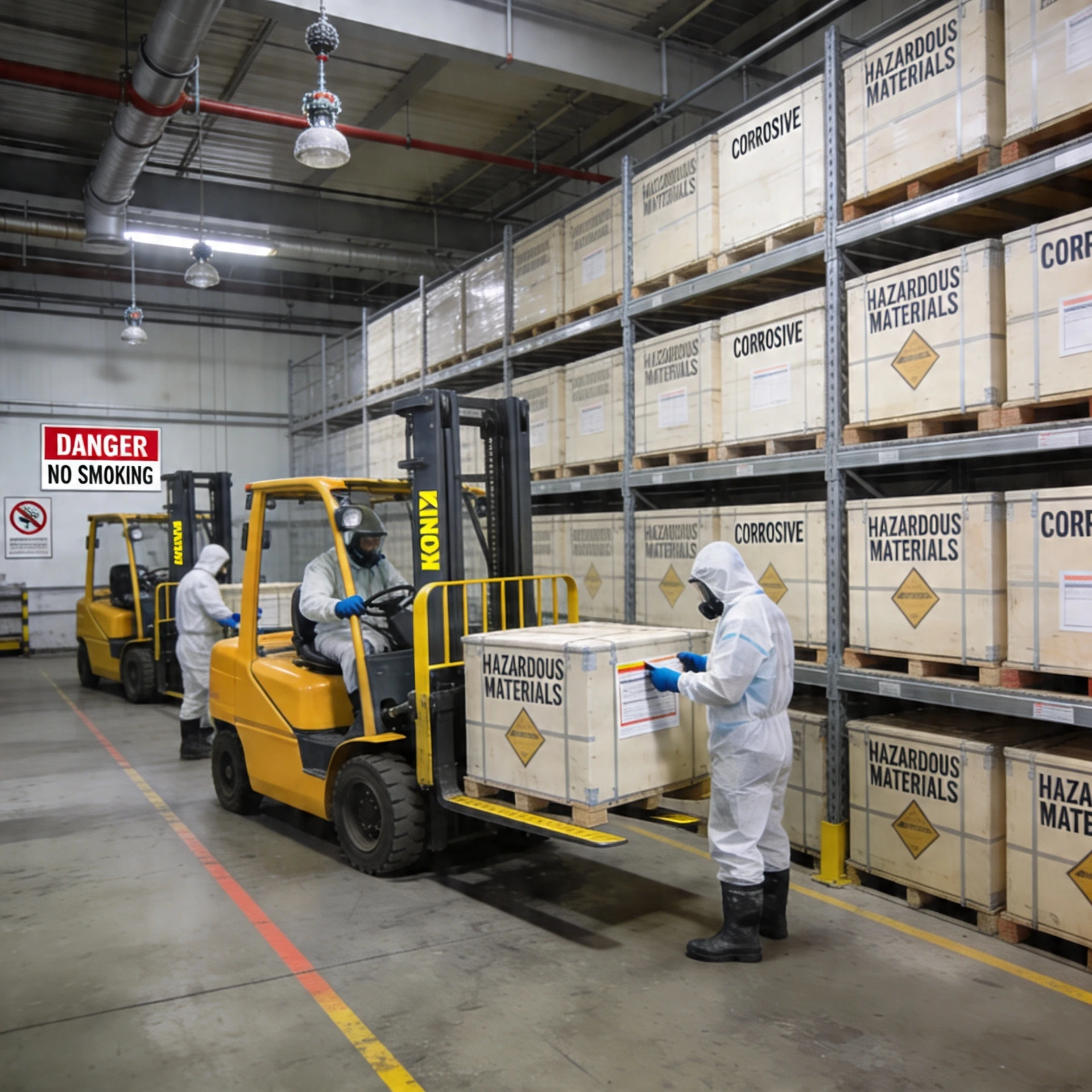
Step 4. Choose a Certified Logistics Partner: Not all logistics providers are authorised to handle DG cargo. You need a partner with the right certifications, trained personnel, and compliant facilities. This is where our T4 OHSE-certified facility is specifically equipped for the safe storage and dispatch of hazardous materials.
Step 5. Book with the Right Carrier: Once documentation is in order, coordinate with your carrier to confirm DG acceptance. Airlines and shipping lines have specific cut-off requirements and stowage rules for hazardous cargo. Your logistics partner should handle this coordination on your behalf.
Step 6. Track and Document the Shipment: Maintain a full documentation trail throughout the journey: DGD copies, packaging certificates, safety data sheets (SDS), and carrier confirmations. In the event of a customs query or incident, complete records protect your business.
Why Certification Matters
TLM Logistics operates a T4 OHSE-certified facility — One of the highest standards for occupational health, safety, and environmental compliance in logistics. Here is what that means for your business:
- Purpose-built storage zones segregated by hazard class
- Trained and certified DG handling personnel
- Full regulatory compliance with UAE and international standards
- Emergency response protocols and spill containment systems
- Documented chain of custody for every DG shipment
Common Mistakes Chemical Manufacturers Make
Even experienced shippers make avoidable errors. Here are the most common pitfalls and how TLM helps you avoid them:
- Misclassifying goods: Assigning the wrong UN number or hazard class can lead to incorrect packaging, labelling, and documentation. TLM’s team conducts a classification review before every shipment.
- Incomplete documentation: A missing signature or incorrect packing group on the DGD can halt a shipment at the point of departure. TLM manages all documentation in-house to ensure nothing is overlooked.
- Using non-certified warehousing: Storing DG cargo in a standard warehouse that is not approved for hazardous goods is a regulatory violation. TLM’s T4 OHSE-certified facility ensures your goods are stored in a fully compliant environment from day one.
- Overlooking mode-specific regulations: Air and sea DG rules differ significantly. Many manufacturers apply the same documentation to both modes — a costly mistake. TLM’s logistics team is trained across all modes and ensures the correct framework is applied every time.
Conclusion
From correct classification to final delivery, every step in the DG shipping process carries compliance obligations that cannot be overlooked. The consequences of getting it wrong are too significant. TLM Logistics brings certified expertise, a T4 OHSE-compliant facility, and end-to-end DG handling capability to ensure your chemical cargo moves safely, legally, and on time.
Ready to ship dangerous goods with confidence? Contact TLM Logistics today to speak with our DG compliance team.