



Ever wonder how that container of goods travels seamlessly from a warehouse in Dubai to a retailer across the globe?
Freight logistics may seem like magic from the outside, but it’s actually a well-orchestrated process that involves multiple checkpoints, people, and systems. In a trade-driven city like Dubai, understanding how freight works is key, whether you’re a business owner importing goods or a startup scaling cross-border operations.
In this guide, we break down how freight services in Dubai operate, from first pickup to final delivery. We’ll also explain the critical role freight forwarders play in keeping your cargo secure, compliant, and on time.
Step 1: Pickup & Cargo Consolidation
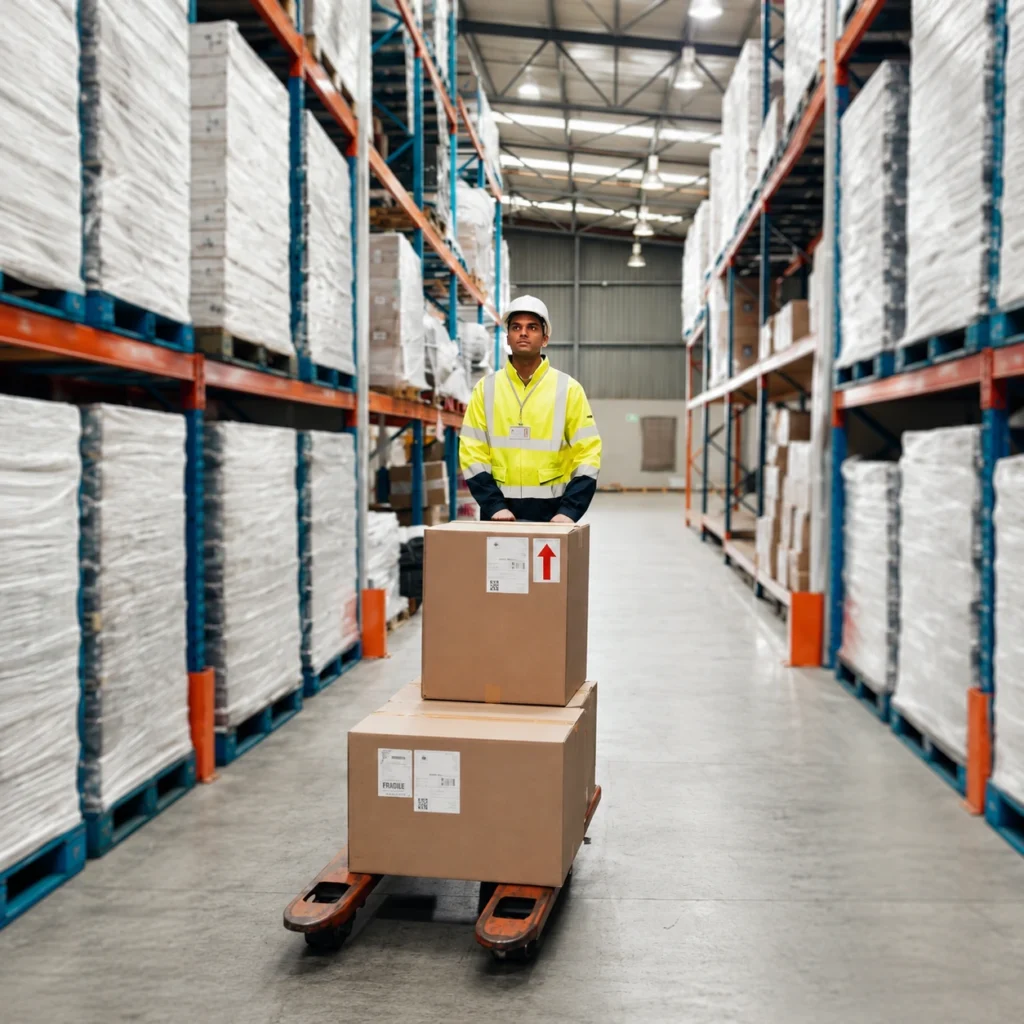
Everything starts with pickup. Freight agents arrange for goods to be collected from your warehouse, supplier, or manufacturer.
Once gathered, cargo may be:
- Loaded into containers (LCL or FCL)
- Stored temporarily in a logistics hub
- Consolidated with other shipments heading to the same destination
In Dubai, consolidation is especially common for air and sea freight, thanks to the city’s central trading role across the GCC, Africa, and Asia.
Step 2: Documentation & Customs Clearance
Before anything moves across borders, paperwork needs to be in order. This includes:
- Commercial invoices
- Packing lists
- Certificates of origin
- Export permits
- Bills of lading or airway bills
Dubai freight forwarders typically manage these documents and liaise with customs authorities, ensuring compliance with both UAE regulations and destination country laws.
For many companies, this step is where experienced freight partners become invaluable, reducing clearance delays and avoiding costly penalties.
Step 3: Transport to the Port or Airport
Once cleared, goods are transported to Jebel Ali Port, Al Maktoum International, or Dubai International Airport, depending on the shipping method.
Inland transit is often done via:
- Trucks for FTL/LTL freight
- Containerized rail services
- Express courier vans for smaller parcels
Dubai’s strategic location means goods can reach 2/3 of the world’s population within 8 hours by air — a major win for time-sensitive cargo.
Step 4: Freight Movement (Air, Sea, or Land)
This is the core transit phase, and it’s heavily influenced by:
- The nature of goods (perishable, hazardous, oversized)
- Destination timeline
- Budget
Air freight is faster but more expensive; sea freight is cost-effective but slower. Good freight services in Dubai will recommend the right balance based on urgency and budget.
For intra-GCC shipments, land freight via bonded trucks remains popular, especially for food, FMCG, and retail items.
Step 5: Destination Handling & Final Delivery
Once the cargo reaches its destination port or airport, local agents handle customs clearance, goods are unloaded and verified, and the final delivery is arranged to the recipient’s location. This could involve direct-to-store delivery, warehouse handoff, or even cross-docking for larger retail chains.
The best freight forwarders offer end-to-end visibility at this stage, so you know where your shipment is and when it will arrive.
Freight Doesn’t Have to Be Complicated
Behind every smooth delivery is a freight partner managing hundreds of moving parts, from port bookings and compliance to tracking and handoffs.
By working with experienced providers of freight services, you ensure that each leg of the journey, from your door to the customer’s, is efficient, secure, and predictable. And with the right Dubai freight forwarders, you gain peace of mind.