
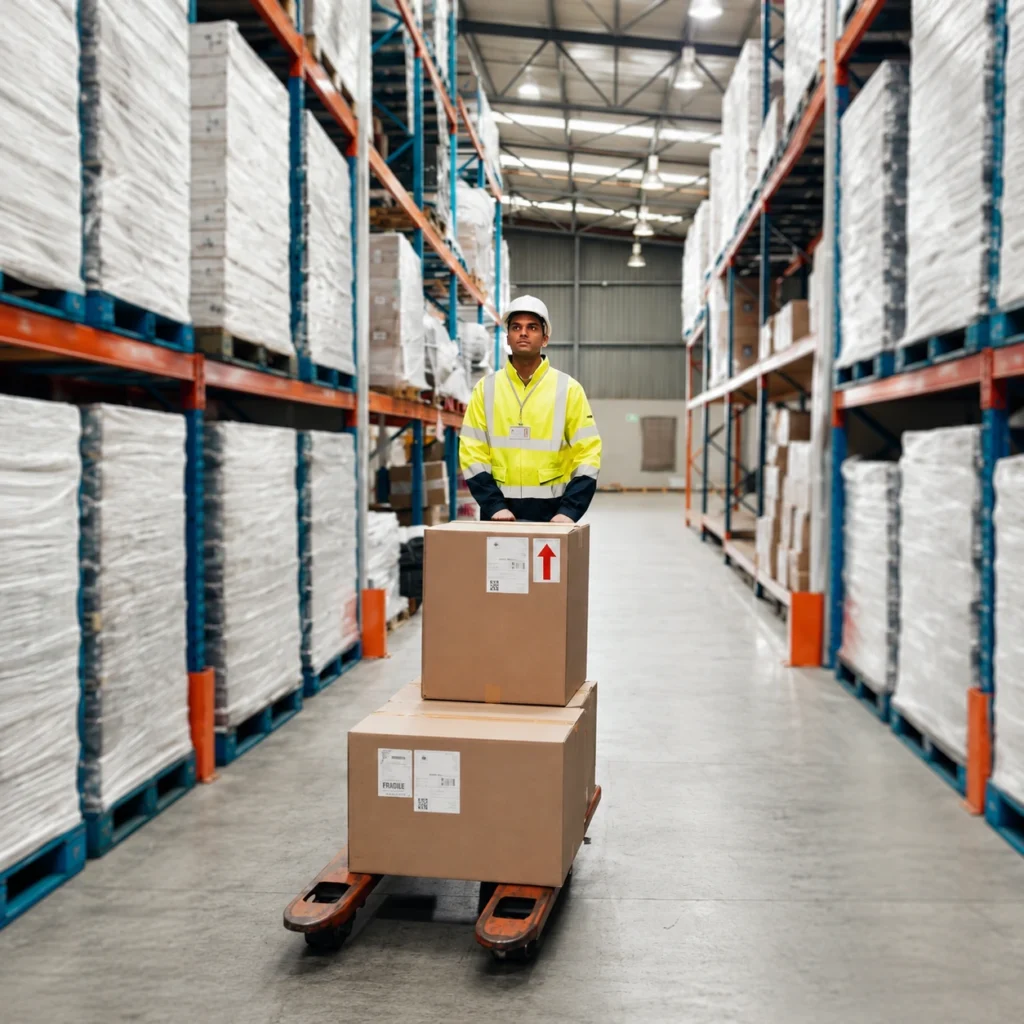




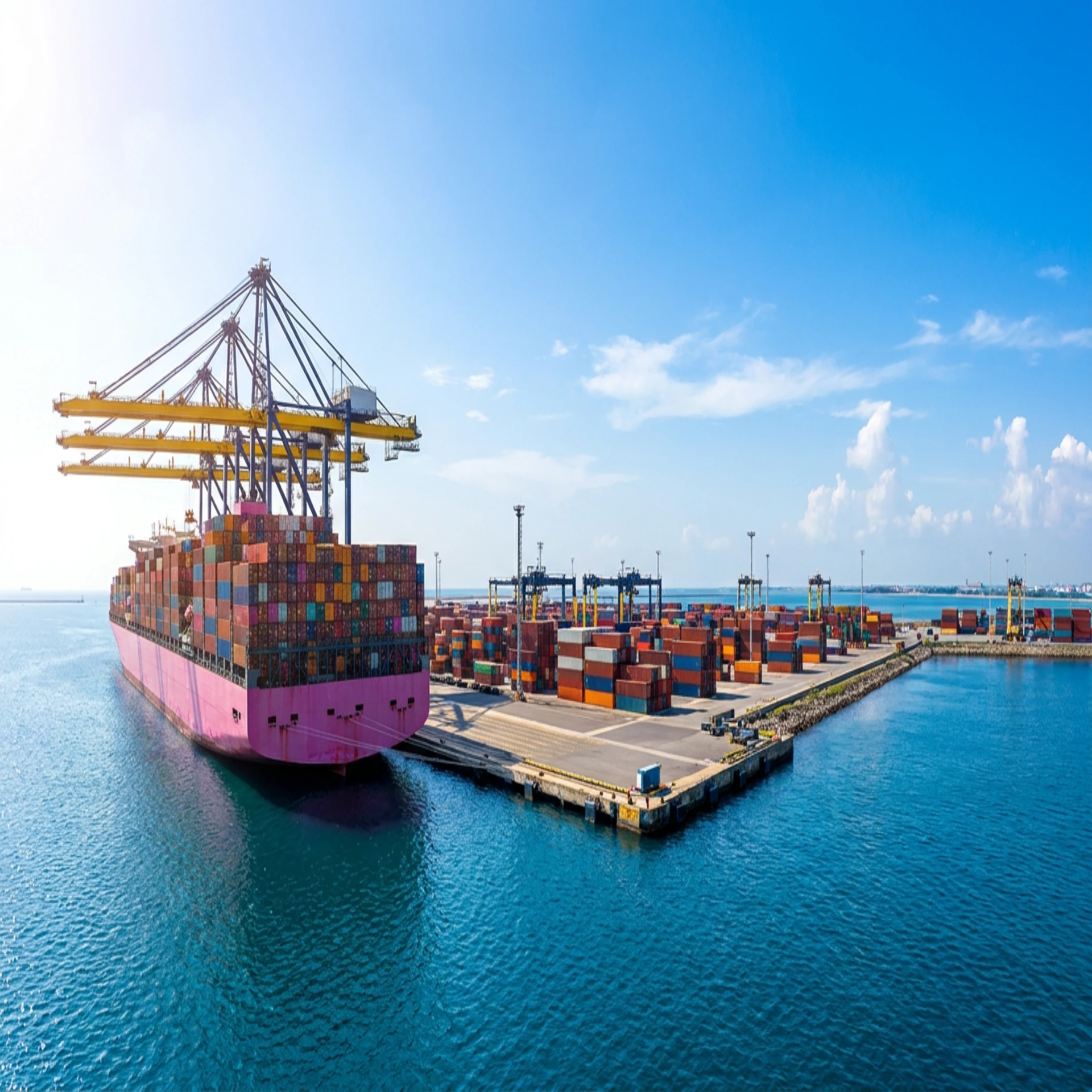
When it comes to shipping goods via sea freight, businesses often face the dilemma of choosing between Full Container Load (FCL) and Less than Container Load (LCL). Both options are commonly used for sea transport, but understanding the difference between the two is key to selecting the most efficient and cost-effective shipping method for your goods.
In this guide, we’ll break down the features, advantages, and factors to consider when choosing between FCL and LCL shipping, specifically via Jebel Ali Port in the UAE.
What is FCL (Full Container Load)?
FCL refers to shipping goods in an entire container that is reserved exclusively for a single consignor’s cargo. Whether you’re shipping a small or large quantity, FCL allows your business to have complete control over the container space.
Key Features of FCL:
- Exclusive Use: Your goods fill the entire container, ensuring minimal handling.
- Faster Transit Times: With fewer stops, FCL shipments typically arrive quicker.
- Economical for Large Shipments: FCL is more cost-effective when shipping larger volumes.
Ideal for:
- Large, high-volume shipments (15+ CBM)
- Sensitive or high-value cargo
- Time-sensitive deliveries
What is LCL (Less than Container Load)?
LCL, on the other hand, is a shipping method where your goods share container space with goods from other consignors. LCL is best suited for businesses that don’t have enough cargo to fill an entire container but still need the flexibility of sea freight.
Key Features of LCL:
- Shared Space: Your goods share the container, making it more affordable for small shipments.
- Slower Transit Times: Consolidation and deconsolidation processes can delay shipments.
- Flexibility: Great for irregular shipments or multi-destination deliveries.
Ideal for:
- Small to mid-sized shipments (<15 CBM)
- Non-urgent deliveries
- Irregular or cost-sensitive cargo
FCL vs LCL: Which One to Choose?
Choosing between FCL and LCL depends on several factors, including the volume of your cargo, shipping frequency, budget, and time constraints. Let’s break down when each option makes sense for SMEs using Jebel Ali Port:
Cost and Shipment Volume
- FCL is generally more cost-effective for large shipments, especially when the container is filled, reducing the per-unit shipping cost.
- LCL is better for businesses with smaller, irregular shipments, providing flexibility but with additional consolidation costs.
Speed and Delivery Time
- FCL shipments are faster since they are loaded and unloaded directly without consolidation delays.
- LCL takes longer due to the consolidation process, making it less ideal for time-sensitive shipments.
Security and Handling
- FCL offers higher security as your goods are sealed and handled less frequently.
- LCL has a higher risk due to more handling and the sharing of container space.
Air Freight Forwarding: An Alternative to Sea Freight
For businesses with urgent shipping needs, air freight forwarding might be the ideal solution. While sea freight is more economical for large shipments, air freight is faster and more suitable for high-priority goods that need to reach their destination quickly.
Conclusion
If you’re looking for reliable solutions, consider partnering with a trusted logistics company in Dubai to determine the most suitable option for your business.
Need help deciding? Contact us today to explore FCL, LCL, and air freight forwarding options tailored to your business.